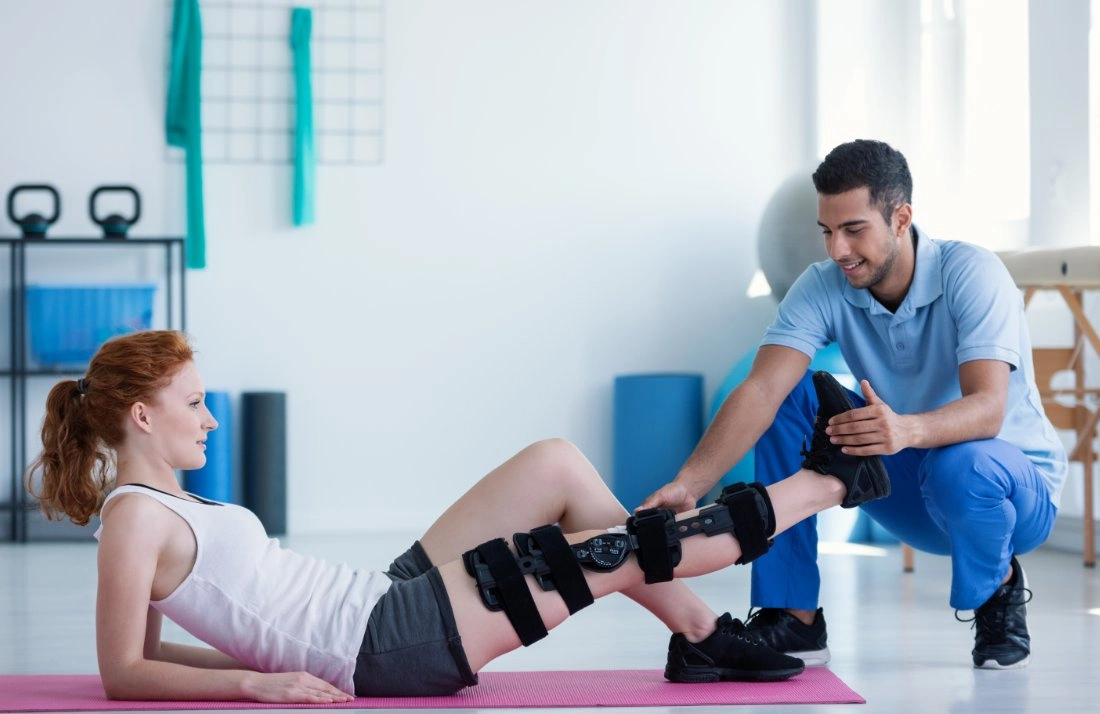
Sports Injury Rehabilitation
Recover with precision-driven rehabilitation designed to address the mechanical cause of injury — not just the symptoms. Whether related to overuse, biomechanical imbalance, or post-acute strain, our structured rehabilitation programmes focus on restoring stability, strength, and functional movement. Through detailed assessment and targeted intervention, we support efficient recovery while reducing the risk of recurrence — helping you return to activity with confidence and structural control.
Understanding Sports-Related Foot & Lower Limb Injuries
Many sports injuries originate from:
- Abnormal foot mechanics
- Poor load distribution
- Repetitive strain
- Muscle imbalance
- Inadequate structural support
Accurate biomechanical assessment is essential to prevent recurrence.
Common conditions include:
- Plantar fasciitis
- Achilles tendinopath
- Tibialis posterior dysfunction
- Metatarsalgia
- Stress-related overload injuries
- Forefoot pain
- Recurrent ankle instability
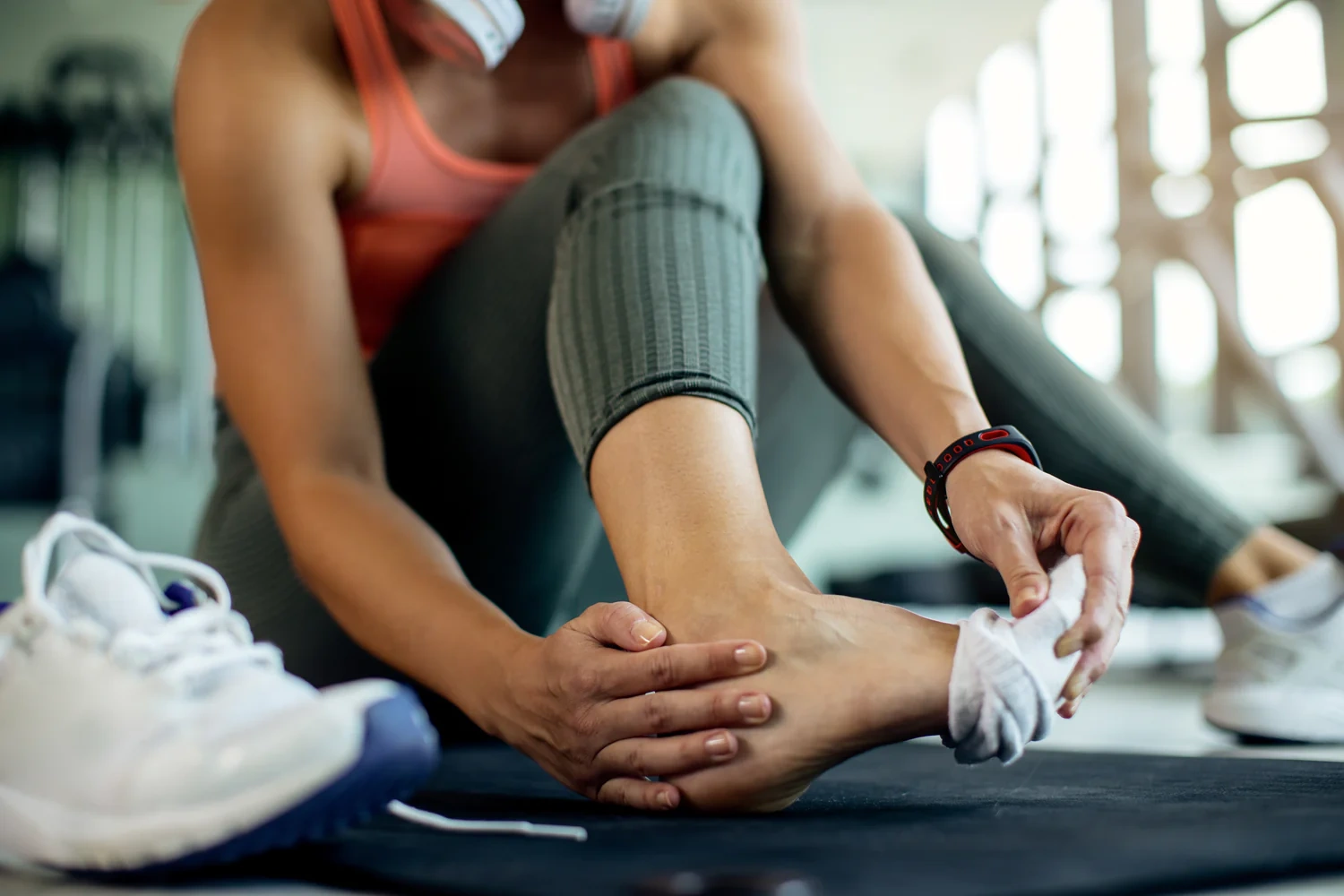
Our Rehabilitation Approach
Rehabilitation begins with a structured clinical evaluation, including:
- Gait and movement analysis
- Foot posture assessmen
- Load pattern identification
- Muscle strength testing
- Flexibility and joint mobility review
This allows us to identify the mechanical contributors to injury.
Treatment & Recovery Strategy
Programmes may include:
Targeted strengthening protocols
Mobility restoration
Load management planning
Taping techniques
Footwear guidance
Shockwave therapy where clinically appropriate
Custom orthotic prescription when structural imbalance is identified
Each plan is individualised based on activity level, sport demands, and recovery goals.
The Role of Biomechanics in Recurrence Prevention
In many cases, untreated biomechanical dysfunction leads to repeated injury.
Where structural imbalance is identified, orthotic intervention may be recommended to:
- Improve alignment
- Redistribute pressure
- Reduce tissue strain
- Support long-term performance
Rehabilitation without structural correction often leads to recurrence. Our approach integrates both.
Long-Term Performance & Injury Reduction
Our goal is not only to accelerate recovery but to:
- Improve movement efficiency
- Enhance structural resilience
- Reduce overload risk
- Support sustainable activity
Structured biomechanical rehabilitation forms part of a preventative performance strategy.